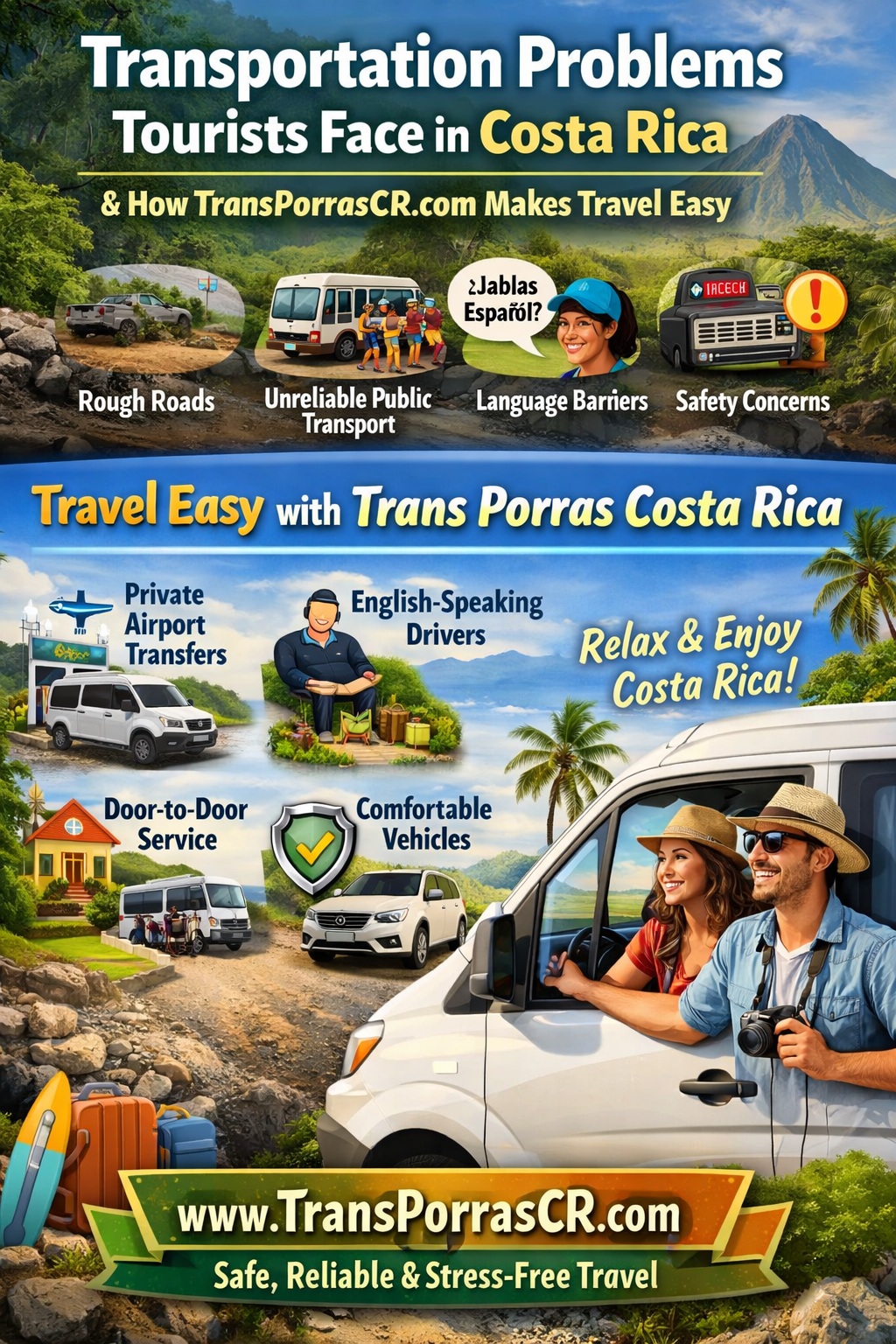
Costa Rica is one of the most beautiful travel destinations in the world, known for its rainforests, beaches, volcanoes, and wildlife. But while planning activities and accommodations is exciting, many tourists overlook one crucial aspect of their trip—transportation.
Getting around Costa Rica is not always as simple as it seems. The country’s infrastructure, geography, and travel conditions can create unexpected challenges, especially for first-time visitors. Understanding these problems in advance can help you plan better and enjoy a smooth, stress-free journey.
Long Travel Times Between Destinations
Costa Rica may appear small on the map, but travel times can be surprisingly long. Distances that look short often take several hours due to winding mountain roads, traffic, and weather conditions.
For example, traveling from San José to La Fortuna can take up to four hours, while reaching Monteverde may take even longer due to rough terrain.
How to avoid it:
Plan realistic travel times and avoid scheduling multiple long-distance transfers in a single day. Whenever possible, choose direct transportation options that minimize stops and delays.
Poor Road Conditions in Some Areas
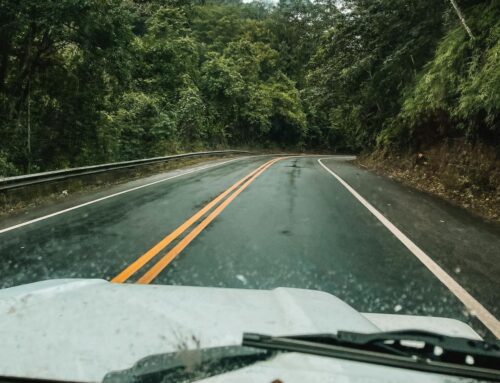
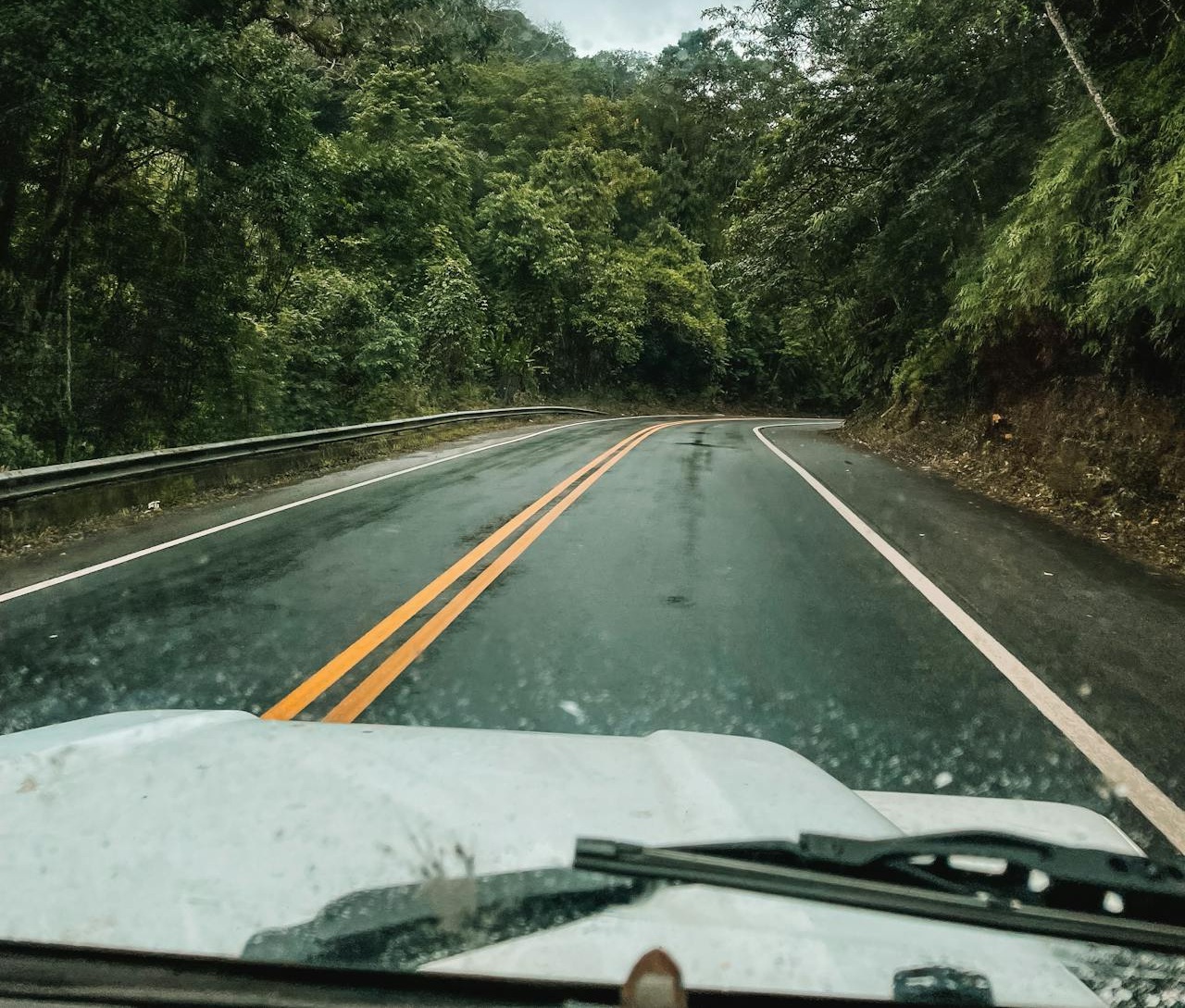
While main highways are generally in good condition, many roads leading to popular tourist destinations can be narrow, unpaved, or filled with potholes. In rural or mountainous areas, road quality can change quickly.
This becomes even more challenging during the rainy season when roads may become muddy or slippery.
How to avoid it:
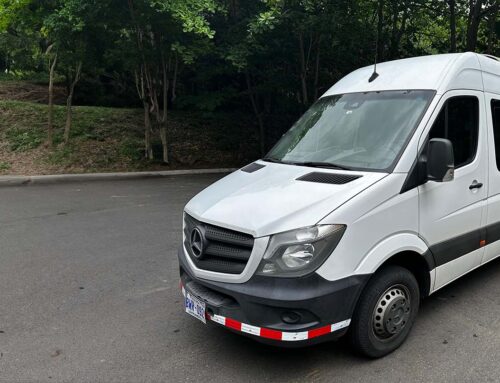
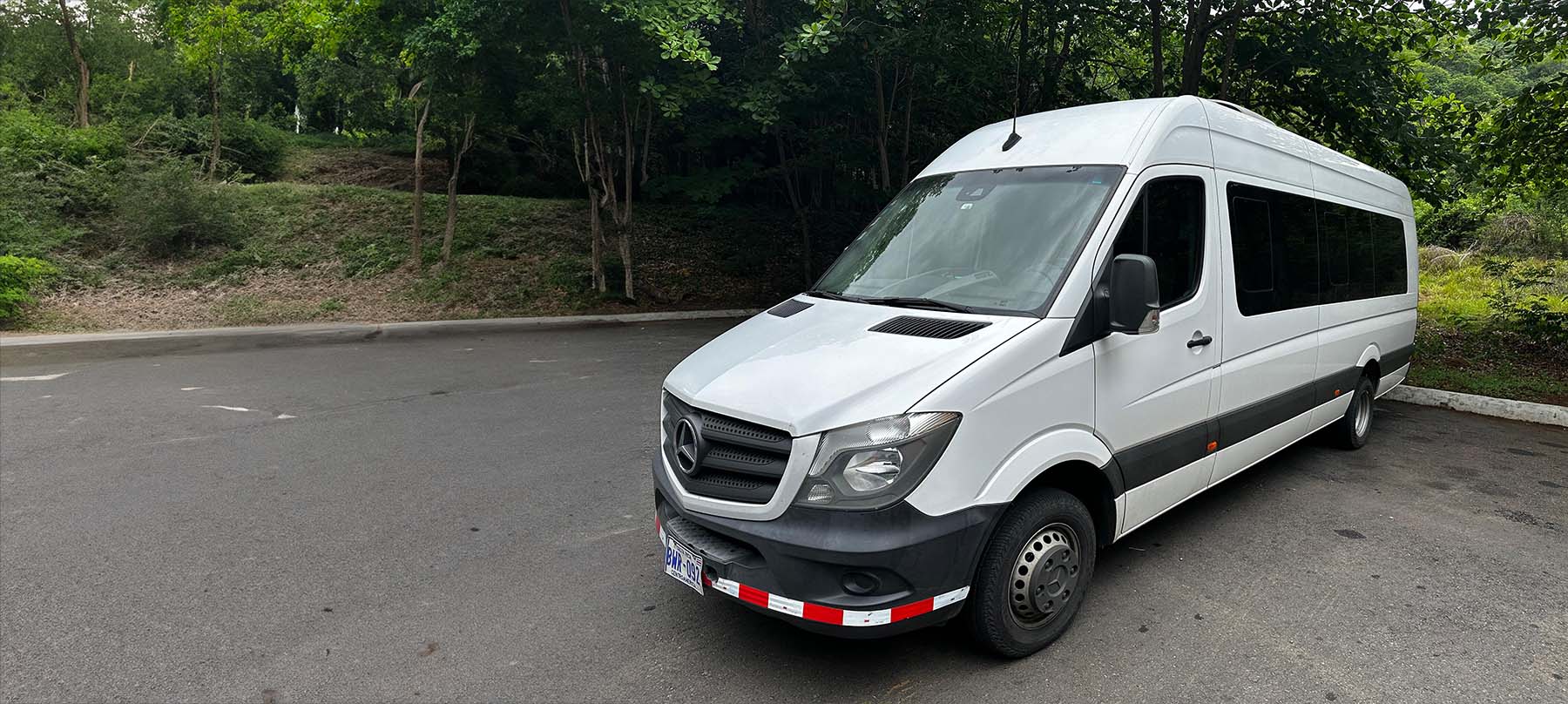
If you are not experienced with such driving conditions, avoid renting a car. Instead, opt for professional drivers or private transportation services that are familiar with local routes.
Confusing Public Transportation System
Public buses are the most affordable way to travel, but they can be difficult for tourists to navigate. Routes are not always clearly marked, schedules may change, and language barriers can make communication challenging.
Additionally, buses rarely provide direct routes between major tourist destinations, often requiring multiple transfers.
How to avoid it:
Use public transportation only if you are comfortable with flexible schedules and basic Spanish. Otherwise, consider shared or private transportation for a more straightforward experience.
Limited Transportation Options at Night
Transportation options become limited late in the evening. Public buses stop running, shared shuttles operate only during specific hours, and finding a reliable taxi can be difficult in certain areas.
This can be a major issue for travelers arriving on late-night flights.
How to avoid it:
Always plan your arrival time carefully and pre-book your airport transfer if you are landing at night. This ensures that you have a reliable ride waiting for you.
Unexpected Costs and Pricing Confusion
Transportation costs in Costa Rica can vary widely depending on the service, distance, and demand. Tourists who book last-minute often end up paying higher prices.
Taxi fares may also vary if not agreed upon in advance, and rental cars can come with hidden fees such as insurance and deposits.
How to avoid it:
Research and book your transportation in advance. Choose services with clear pricing and avoid negotiating fares on the spot.
Navigation and GPS Challenges
Many tourists rely on GPS or mobile apps for navigation, but these are not always reliable in Costa Rica. Some remote areas have limited signal coverage, and road signs are not always clear.
This can lead to missed turns, delays, or even getting lost.
How to avoid it:
Download offline maps before your trip and always have a backup plan. If possible, choose transportation options that include a local driver who knows the routes well.
Weather-Related Travel Delays
Costa Rica’s tropical climate means sudden rain showers are common, especially during the rainy season. Heavy rain can cause delays, reduce visibility, and affect road conditions.
In some cases, landslides or flooding may temporarily block roads.
How to avoid it:
Check weather conditions before traveling and allow extra time for your journey. Avoid tight schedules that leave no room for delays.
Luggage and Comfort Issues
Traveling long distances on crowded buses or in small vehicles can be uncomfortable, especially if you have large luggage. Limited storage space and frequent stops can make the journey tiring.
How to avoid it:
Choose transportation options that offer enough space for passengers and luggage. Comfort becomes especially important after long flights or during extended road trips.
Safety Concerns for First-Time Travelers
While Costa Rica is generally safe, navigating unfamiliar roads, dealing with aggressive drivers, or traveling at night can be stressful for tourists.
Safety becomes an even bigger concern when driving in remote areas or during poor weather conditions.
How to avoid it:
Prioritize safety by choosing reliable transportation providers with experienced drivers. Avoid driving at night, especially in unfamiliar regions.
Lack of Direct Routes Between Tourist Spots
Unlike some countries, Costa Rica does not always have direct transport routes between popular destinations. This often results in longer travel times and multiple connections.
How to avoid it:
Plan your itinerary carefully and group destinations by region. Consider private transfers that provide direct, door-to-door service without unnecessary stops.
Final Thoughts
Transportation is one of the most overlooked aspects of planning a trip to Costa Rica, yet it plays a crucial role in shaping your overall experience. From long travel times and road conditions to navigation challenges and limited options, there are several obstacles that tourists commonly face.
The good news is that most of these problems can be avoided with proper planning. By understanding the challenges and choosing the right transportation options, you can save time, reduce stress, and focus on enjoying your trip.
Whether you prefer comfort, convenience, or flexibility, making informed decisions about transportation will help you experience Costa Rica in the best possible way.
Contact us
- Phone +506 8522-2222
- Email: transporrascr@gmail.com
- WhatsApp: WhatsApp Message